Introduction
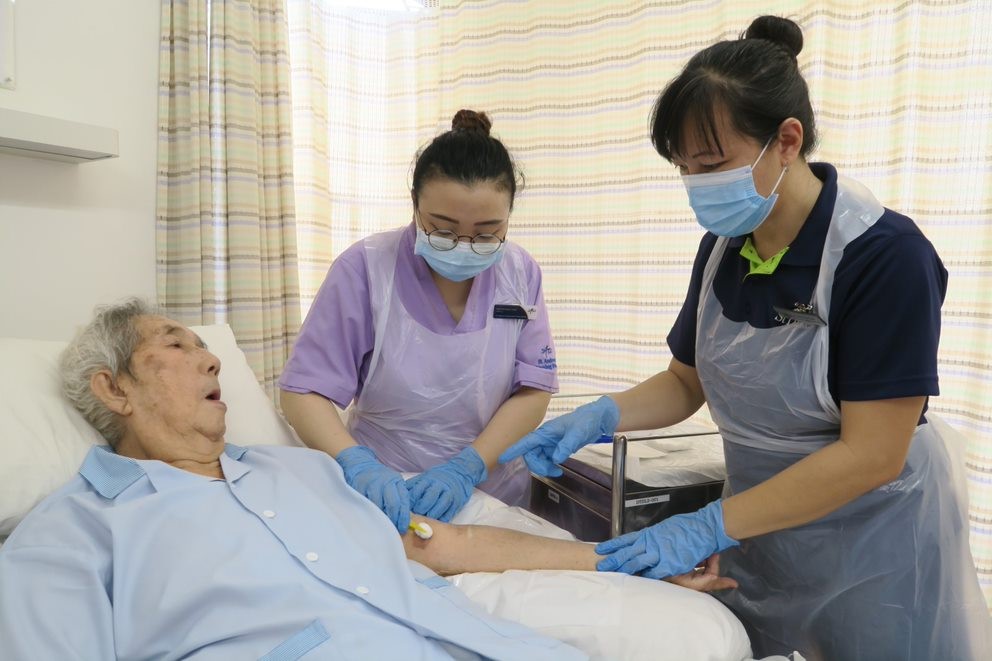
Entering the nursing field can be both electrifying and complicated. As new registered nurses enter their functions, they will come across different challenges, one of which is wound care management. Comprehending the concepts and techniques of basic wound care training is important for giving premium client care. In this comprehensive overview, we will delve deep right into wound treatment training for nurses, highlighting the vital elements that every new registered nurse need to know.
Basic Wound Care Training: Tips for New Nurses Entering the Field
Wound treatment is a vital part of nursing method. Whether it includes dealing with surgical sites, pressure ulcers, or traumatic injuries, reliable injury administration can significantly impact client recuperation and lifestyle. Here are some foundational pointers that every brand-new nurse must recognize as they embark on their journey in injury care.
Understanding Wound Types and Classifications
Acute vs. Persistent Wounds
- Acute wounds: These are commonly the outcome of trauma or surgical procedure and follow a predictable healing process. Chronic wounds: These fall short to heal within an expected duration because of factors such as bad circulation or infection.
Wound Classifications
Surgical Wounds- Result from surgical procedures. Should heal easily if managed appropriately.
- Caused by injuries such as cuts or abrasions. Often require prompt focus to stop infection.
- Develop as a result of extended stress on the skin. Require persistent prevention strategies.
- Common in people with diabetics issues as a result of minimized blood flow and sensation. Require mindful tracking and specialized therapy protocols.
The Value of Injury Care Professional Training
A solid foundation in wound treatment is important for any type of nursing expert. Enrolling in specialized programs such as wound care expert training can enhance a registered nurse's expertise and skills:
- Learn concerning numerous dressing options. Understand infection control measures. Gain insights right into complex wound care management techniques.
Key Elements of Standard Injury Treatment Training
Assessment Skills- Inspecting the wound: Dimension, depth, exudate amount, smell, and surrounding skin condition.
- Use saline services or ideal cleansers to reduce bacteria without destructive tissue.
- Choosing dressings based upon wound type: Hydrocolloid, foam, alginate, etc.
- Importance of hand hygiene. Recognizing indications of infection very early to initiate timely interventions.
- Teaching clients regarding home care techniques can empower them in their recovery journey.
Wound Care Training Courses Available
There are numerous training courses available concentrating on various aspects of wound care:
- Online modules for flexible knowing at your very own pace. Hands-on workshops that supply real-world experience with dressing modifications and assessment techniques.
Consider local community colleges or health care institutions providing accredited programs in wound treatment training courses customized particularly for nurses.
Best Practices in Basic Wound Treatment Management
1. Record Everything
Accurate documents is crucial not only for legal purposes yet also for monitoring recovery progress over time.
2. Connect Effectively
Communicate with clients regarding their treatment strategy and encourage them to share any type of issues they might have concerning their wounds.
3. Remain Updated
Continuously inform yourself on ideal methods with workshops, on-line sources, and literary works related to nursing wound treatment training
Complex Wound Care Management Techniques
As nurses gain experience, they'll likely come across more complicated situations needing sophisticated abilities:
1. Understanding Biofilms
Biofilms can form around persistent wounds making it difficult for them to recover efficiently; recognizing exactly how to handle these is critical for innovative practitioners.
2. Advanced Dressings
Familiarity with biologic dressings and negative stress treatments can make a considerable distinction in handling complicated wounds effectively.
3. Working together with Specialists
Being able to identify when a referral to a wound care specialist is needed makes certain that clients receive thorough treatment options.
FAQs Concerning Basic Injury Care Training
What is fundamental wound care training?
Basic wound care training includes the essential principles and strategies needed to examine and handle various kinds of wound care training for nurses wounds effectively.


Why is wound care training essential for nurses?
Wound care training furnishes registered nurses with vital skills required to promote healing while reducing issues like infections or chronicity in people' wounds.
How long does it take to complete a wound care training course?
Most wound care training courses differ from a few days approximately a number of weeks relying on the program's depth and complexity involved in specialized topics like complex or chronic injury management.
Are online training courses readily available for wound care education?
Yes! Numerous organizations supply on the internet wound care training courses permitting adaptability while guaranteeing you gain needed expertise at your own pace.
What ought to I consist of in my patient education and learning relating to wound management?
Discuss subjects such as appropriate cleansing techniques at home, indicators of infection to watch out for, dietary factors to consider promoting recovery (like hydration), and significance of sticking purely to recommended treatments/dressings.
Can I specialize solely in wound care as a nurse?
Absolutely! With extra accreditations like becoming a Qualified Injury Care Registered Nurse (CWCN), you can build an occupation focused completely on this important aspect of nursing practice!
Conclusion
Embarking on your job as a nurse includes numerous obligations-- and mastering basic wound treatment training should be among your leading concerns! By equipping on your own with knowledge concerning different sorts of wounds along with sensible skills via devoted programs like wound care registered nurse training programs guarantees you're prepared when confronted with real-life scenarios at the office!
Remember: continual education and learning along with hands-on experiences will certainly maintain you ahead in providing exceptional patient-centered end results within your scientific environment!
This overview serves as a considerable introduction right into basic principles surrounding reliable strategies toward handling varied instances within day-to-day nursing technique while highlighting lifelong knowing throughout one's nursing trip-- because there's always greater than fulfills the eye when it boils down caring properly!