Introduction
The medical care landscape is constantly developing, and with it, the demand for specialized functions is raising. Amongst these duties, coming to be an injury treatment registered nurse attracts attention as both satisfying and crucial. Wound treatment nurses are accountable for the evaluation, treatment, and administration of numerous types of injuries, consisting of persistent wounds that usually need customized knowledge and skills. If you're considering this occupation course or are simply thinking about comprehending what it continuing education for nursing in wound care entails, you have actually involved the best place. This article will discover important training programs offered for striving wound care professionals, explore the skills required for effective wound management, and supply insights into the daily duties of a wound treatment nurse.
What Does an Injury Care Registered Nurse Do?
Understanding the Duty of an Injury Care Nurse
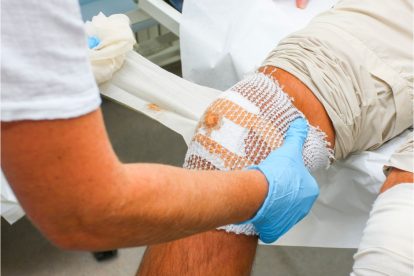
A wound care registered nurse concentrates on examining and dealing with individuals with wounds or abscess. They play a crucial role in guaranteeing correct recovery by using innovative techniques and interventions tailored to individual patient requirements.
Key Obligations Include:
Assessment: Reviewing the kind and extent of wounds. Treatment Planning: Developing personalized care strategies based on assessments. Wound Monitoring: Applying appropriate dressings and treatments. Patient Education: Advising people on aftercare methods to advertise healing.Why Is Wound Treatment So Important?
Wound treatment is vital not just for aesthetic appeals however more significantly for health and wellness results. Improperly managed injuries can bring about serious difficulties, consisting of infections or long term recuperation times.
Becoming a Wound Treatment Nurse: Crucial Training and Skills
Pathways to Coming to be an Injury Treatment Specialist
To come to be a wound care registered nurse, numerous academic paths can be gone after:
- Registered Nurse (RN) Program: Beginning by completing a recognized nursing program (Associate's or Bachelor's level). Specialized Certifications: After acquiring experience as a RN, you can go after additional accreditations in injury care.
Wound Treatment Professional Training Programs Available
There are many training courses offered that cater particularly to wound treatment education:
Basic Injury Treatment Training- Overview of fundamental concepts in injury management. Ideal for brand-new registered nurses looking to enter this specialization.
- Focuses on intricate situations needing sophisticated knowledge. Recommended for knowledgeable registered nurses aiming to specialize further.
- Tailored for nurses handling lasting wounds. Emphasizes approaches for reliable chronic wound management.
Essential Skills Required for Injury Care Nurses
Clinical Abilities That Matter
Effective wound care management needs a blend of medical expertise and soft abilities:
- Assessment Skills: Capacity to properly evaluate wounds. Technical Efficiency: Expertise in different dressing applications.
Communication Abilities are Key
Strong interaction skills enable nurses to educate individuals successfully regarding their problems:

- Explaining therapy prepares clearly. Addressing individual concerns compassionately.
The Value of Continuing Education in Injury Care Nursing
Why Continuous Training Matters
Medical methods develop swiftly; hence continuous education and learning is paramount:
- Keeps registered nurses upgraded on the current treatment modalities. Equips them with arising modern technologies in wound management.
Recommended Continuing Education Opportunities
Consider joining in workshops or seminars focused on injury treatment developments:
Annual Wound Healing Society Conference Online webinars from credible clinical institutionsWound Treatment Training Courses: A Closer Look
Overview of Offered Courses
Various establishments provide comprehensive training courses covering different aspects of wound treatment:
|Program Name|Duration|Focus Area|| -----------------------------------|---------------|--------------------------------------|| Basic Wound Treatment|4 weeks|Fundamental abilities|| Advanced Wound Management|6 weeks|Facility situations|| Persistent Abscess Prevention|8 weeks|Long-term techniques|
Choosing the Right Course
When selecting a training course, consider your current qualifications and career goals:
- Are you starting fresh or looking for specialization? What details location of injury management rate of interests you?
Nursing Wound Care Training Requirements
Academic Prerequisites
To register in the majority of specialized training programs, you'll generally require:
A valid registered nurse license A strong structure generally nursing conceptsCertification Process Explained
After finishing your training program, adhere to these steps to obtain qualification as a wound care professional:
Pass the relevant certification examination (e.g., CWCN) Maintain proceeding education and learning credit scores as required by licensing bodiesUnderstanding NDIS Wound Care Services
What Is NDIS?
The National Special needs Insurance policy Scheme (NDIS) provides support for Australians with impairments, consisting of those who call for customized healthcare like injury monitoring services.
Role of Nurses within NDIS Framework
Wound care registered nurses working under NDIS need to recognize exactly how to navigate its guidelines effectively while giving optimum patient-centered care.
Complex Injury Treatment Challenges Encountered by Nurses
Dealing with Hard Cases
Complex wounds may offer one-of-a-kind obstacles such as:
- Infection control Managing comorbidities like diabetes mellitus
Strategies for Effective Management
Nurses have to use evidence-based approaches when dealing with intricate situations:
Regular review Collaborating with multidisciplinary teamsChronic Wounds: An Expanding Issue in Healthcare
The Rise of Chronic Conditions
With a maturing populace, persistent injuries are ending up being significantly typical-- offering considerable challenges within healthcare systems worldwide.
Statistics Highlighting the Problem
According to current research studies:
- Approximately 6 million Americans struggle with persistent wounds annually.
Implications for Nursing Practice
As a lot more individuals existing with chronic conditions, there's an immediate requirement for proficient professionals concentrating on chronic wound management.
Evaluating Treatment Efficiency in Wound Management
How Do You Gauge Success?
Successful treatment outcomes are analyzed through various metrics such as:
Rate of recovery Patient complete satisfaction levelsAdjusting Treatment Strategies When Necessary
Regular analyses permit nurses to make prompt modifications based on exactly how well individuals reply to treatments.
Patient Education: Empowering Individuals With Knowledge
Importance of Educating Patients Concerning Their Condition
Empowering individuals via education enhances their capacity to manage their own health and wellness efficiently-- which eventually causes better outcomes!
Techniques For Efficient Patient Teaching
Consider employing numerous approaches such as visual help or hands-on demos during instructional sessions.
FAQ Section
Q1: What qualifications do I need to end up being an injury care nurse?
A1: To come to be a wound care registered nurse, you usually need a minimum of a registered nurse certificate complied with by specialized training concentrating on injury management.
Q2: How much time does it require to finish wound care training courses?
A2: The duration differs depending upon the program; standard training can take around four weeks while innovative programs might prolong as much as 8 weeks or more.
Q3: Are online programs available for nursing injury care training?
A3: Yes! Lots of reputable establishments provide on-line courses that allow versatility while discovering innovative principles related to wound management.
Q4: Just how commonly need to I go after proceeding education once I come to be certified?
A4: The majority of certification bodies call for renewal every couple of years which includes finishing continuing education credit scores-- normally around 30 hours over three years is expected.
Q5: Can I deal with NDIS clients as a newly qualified nurse?
A5: Yes! However, experience with NDIS standards will certainly be advantageous when giving solutions customized particularly towards individuals under this scheme.

Q6: What are some usual types of complex injuries encountered?
Conclusion
In conclusion, becoming a wounded-care nurse involves dedication, ongoing education and learning, and solid professional abilities targeted at boosting client results with effective administration techniques tailored uniquely per instance circumstance presented before them! As we've checked out throughout this article-- from fundamental training needs with progressed specialty demands-- it's evident that pursuing this occupation course not only fulfills personal expert aspirations however also straight effects lives positively! Whether you're interested due persistance indicates looking into varied aspects bordering "Coming to be A Wounded-Care Nurse" today marks simply one progression in the direction of adding considerably within wellness fields across the globe!